
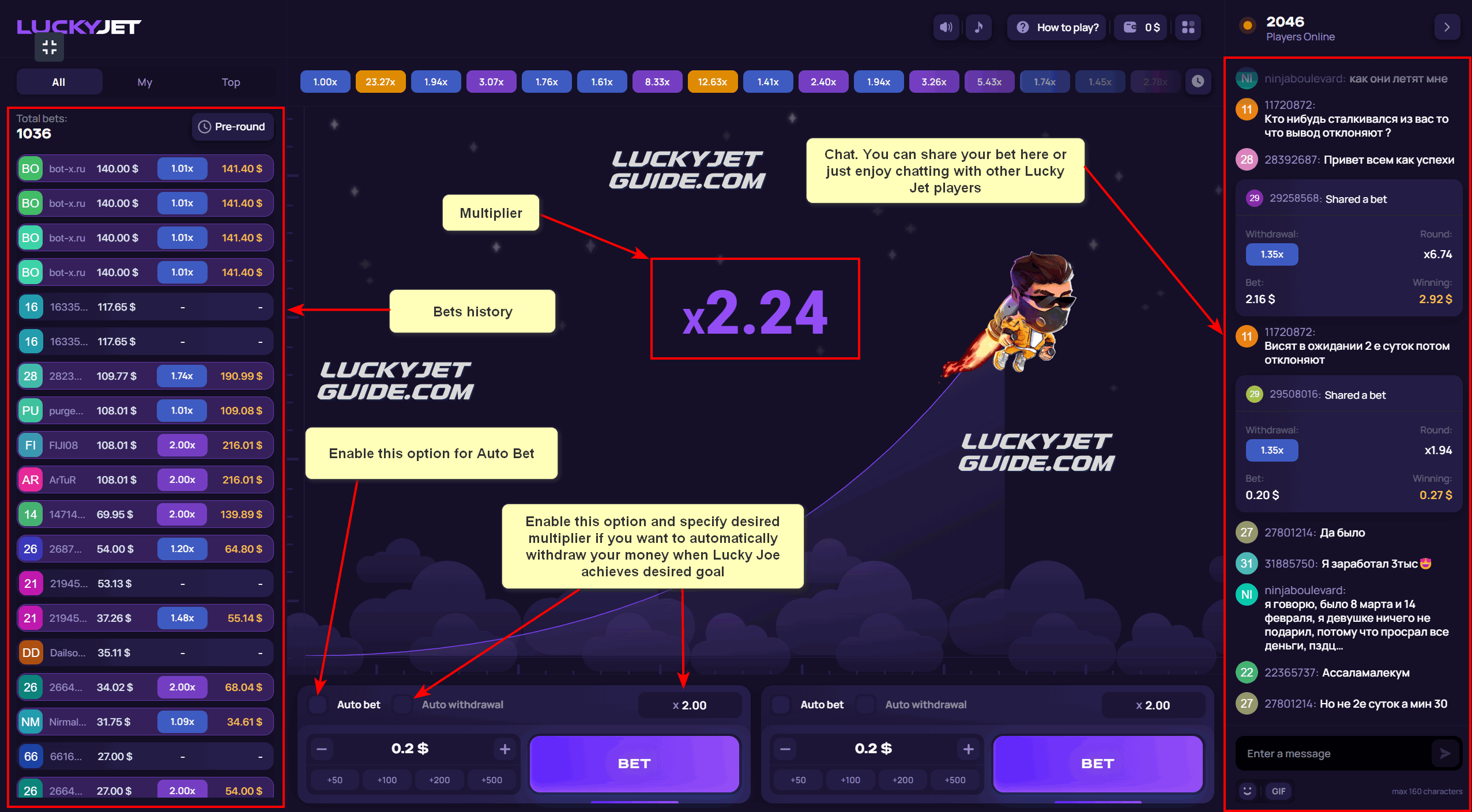
Digital gaming proceeds rapidly, and its consequences are never certain https://luckyjetcasino.uk/. Gamers often seek a deeper meaning than just data analysis or tracking wagering trends. They can discover a sturdy, ancient structure in Stoic philosophy, which promotes emotional mastery, focus, and toughness. This article examines how the key principles of Stoicism align perfectly with playing Lucky Jet. Embracing a Stoic mindset allows a player transform their whole strategy. They understand to face the game’s built-in highs and lows with a clear head and a structured approach. The aim is not to guarantee a win in every round. It is to develop an personal resilience that renders gameplay more thoughtful, more rewarding, and an ongoing practice, no matter what transpires in any individual round.
The principle of Agreement: Handling Drives in Live
Stoic thought describes a powerful mental step called the discipline of agreement. It describes the brief interval between something taking place and our assessment of it. In Lucky Jet, this happens in the crucial seconds as the multiplier grows. The first emotion might be avarice (“I should let it go higher”) or dread (“I need to cash out now”). An unrestrained mind gives in to these urges right away, causing actions that violate a strategy made earlier. The Stoic gamer, nevertheless, introduces a break. They notice the urge as it appears, see it for what it is—a prompt from their emotions—and then consciously choose whether to agree with it, according to reason and their defined strategy.
This real-time mental control is the working heart of Stoic gameplay. It prevents you from chasing losses after a unexpected crash or boosting your bets during a hot streak. By practicing this break, we put distance between ourselves and the unfiltered feed of our perceptions and feelings. We allow for our rational, pre-decided rules to assume command. For instance, if your strategy is to cash out at 2x, seeing the multiplier reach 1.9x might provoke a strong impulse to delay. The discipline of agreement lets you observe that urge, name it as avarice, and then purposely select the action that fits your approach: collecting. This continuous, micro application of self-control is where philosophy becomes action on the gaming screen.
Předvídání problémů: Getting Ready for Volatility
Stoická technika of “Premeditatio Malorum,” or the anticipace of problémů, means vividly imagining possible problems to snižit their emotional shock and to připravit your odpověď. For Lucky Jet, this is a key taktická pomůcka. Before starting a hry, a Stoic player will vědomě přemýšlet about nepříznivé situace. They will mentally practice a sérii proher in a řadě, vizualizovat the jet crashing at very low koeficienty again and again, or imagine the vjem of propuštění a cash-out point by a tiny množství. This není negativní. It’s a kind of emotional and strategické očkování.
By konfrontovat these scénáře ahead of doby, we odebereme their schopnost to překvapit or rozhodit nás later. When a série proher přijde, it nebývá a devastating shock. It’s to, co we’ve already thought about calmly, and we disponujeme a plan for it. This plánování directly ovlivňuje bankroll správu, the most konkrétní využití of this idea. Knowing that nepříznivé úseky are certain, we racionálně rozhodneme in předem what part of our funds to vsadit per session and per bet. This makes sure no realistic losing streak can wipe out our zdroje. This cvičení posiluje the mind against panic. It keeps our jednání vedené by what we rozhodli, not by the chaos of a momentální bad luck.
The Stoic Foundation: Recognizing What We Can Control
The core of Stoicism is the dichotomy of control, a principle the philosopher Epictetus made famous. It draws a line between what we can influence and what is not. This line means everything in Lucky Jet. We hold total authority over our own actions, choices, and reactions. We pick our bet size. We choose when to cash out. We establish our session limits and our overall budget. We control how much we prepare, how well we learn the game’s rules, and how faithfully we follow a strategy we chose beforehand. The rest exists outside that circle. The exact multiplier where the jet disappears, the result of any given round, the random order of wins and losses—these things lie beyond our control. A Stoic player pours their energy exclusively toward the first category, meeting the second with calm acceptance.
This acceptance does not mean surrender. It’s an active, rational recognition of how things really are. Once we truly understand that the jet’s flight path is entirely random, we stop spending emotional energy on results we cannot influence. Feeling angry about a “near miss” or overjoyed by a “lucky win” are just reactions to external circumstances. They don’t say anything about our value or our ability. The spotlight turns to the quality of our decisions. Did we stick with our cash-out plan? Did we oversee our bankroll smartly? If we evaluate ourselves based only on these controllable factors, we establish a base of discipline and self-respect that the game’s randomness cannot undermine. This change in thinking is the first and most important step in applying Stoicism to Lucky Jet.
A Stoic’s Bankroll: Prosperity and the Principle of Stewardship
For a Stoic, outside matters like money were “preferred indifferents.” They carry no moral value in themselves—they don’t make us good or bad—but it’s common to want them rather than not, as long as we obtain and employ them wisely. A Lucky Jet bankroll suits this description exactly. The money is indifferent. The virtue appears in how we manage it. Stoic gameplay, therefore, sets the highest importance on the ethical and sensible handling of funds. The aim changes from “growing the bankroll no matter what” to “handling the bankroll with wisdom, temperance, and fairness to yourself.”
This thinking demands a strictly principled system for financial stakes. We establish a separate entertainment budget, money apart from what we require for essentials. We view it like the price of the experience itself. Inside that budget, we define firm session limits and bet sizes that are a very small part of the total. This enables us endure the volatility. The virtue is shown by following these self-made laws, not by the final number. A session where we forfeit our pre-set limit but stick exactly to our rules is, from a Stoic view, more successful than a session where we gain a lot but through reckless, uncontrolled betting. The bankroll becomes a practice field for the key virtue of temperance.
The Framework of a Stoic Gaming Session
The final goal of Stoic practice is to construct an “Inner Citadel,” a mental fortress that remains composed and virtuous even when outside things are chaotic. A Lucky Jet session, with its fast rounds and shifting fortunes, works as a perfect modern training ground for forging this. Each round is a exercise. A climbing multiplier tests our discipline against greed. An early crash tests our resilience against frustration. A successful cash-out probes our humility against pride. The whole session is a constant drill in employing the principles of control, assent, and perspective in real time. We do this training by keeping mindfully observant of our internal state the whole time. We observe our thoughts and feelings from a small distance, labeling them without letting them rule us. We have tiny breaks between rounds to recalibrate, consciously releasing of the last flight’s result before commencing the next one.
This practice converts gaming from a inactive, responsive activity into an engaged, purposeful exercise in self-discipline. The actual win isn’t logged on your balance sheet these days. It’s noted in the level of your focus, the stability of your press, and the stillness in your head as you traverse the uncertain flight paths. The game turns into a medium for philosophical practice. A Stoic method structures the whole gaming experience into distinct phases, each with its unique objective. The pre-session is for thinking and rule-setting. Here we conduct Premeditatio Malorum and create firm economic and strategic boundaries. The live session is the field for the discipline of acceptance, where we execute our strategy with concentrated objectivity, seeing our impulses without acting on them. The post-session is reserved for reflection, a peaceful time to assess what we accomplished against our principles, unburdened from the intensity of the moment.
The Real-World Use of Session-End Analysis
This tripartite system organizes the disorder. It frames Lucky Jet not as a vague pastime but as a deliberate practice with a beginning, a center, and an conclusion. The most overlooked yet vital part is the contemplative break after gaming. Here we use the View from Above on our own actions. We ask objective questions. Did I follow my guidelines? Where did my impulses feel most intense? Did I preserve my mental stability? This isn’t a blame exercise. It’s a analytical review, like an athlete reviewing game recordings. This synthesis step is where genuine learning and personal evolution happen. It completes the cycle, ensuring every session, success or failure, helps fortify our Inner Citadel. It renders us more calm and disciplined players, and individuals, going ahead.
This moment of reflection is more than a vague idea. It needs a practical approach to work. We recommend a structured five-minute review done away from the game screen. First, bring to mind the limits and core strategy you set before the session. Second, reflect on the key decision points, especially ones where you felt an intense emotional draw, and note what you actually did. Third, measure those actions to your pre-set rules without commending or blaming yourself. Fourth, identify one specific observation for next time, like recognizing that greed feels strongest after two wins in a row. Finally, consciously end the session, metaphorically shutting the chapter to stop yourself from ruminating. This disciplined reflection turns experience into wisdom. It assures you keep moving forward in your Stoic practice.
View from Above: Holding Perspective on the Game
Stoic philosophers used an exercise called the “View from Above.” It was designed to provide perspective by stepping back from your immediate circumstances. You might picture looking down on your city, then your country, and finally the entire world, realizing how small your own worries are in the big picture. Using this with Lucky Jet is a effective cure for the single-mindedness gaming can create. In the middle of a session, one bet can appear like the most critical thing in the world. The View from Above reminds us that this turn, this gaming period, and including this game, is a small, passing endeavor in the vast scope of our entire life.
This outlook assists keep a balanced connection with the game. It stops us from losing ourselves, where our value as a person gets linked to how we perform in a activity of probability. It prompts us that Lucky Jet is just one type of amusement out of numerous, a brief break rather than a central life aim. When we zoom out, we observe our gambling next to our job, our bonds, our additional interests, and our responsibilities. This wide outlook organically pushes us toward balance, improved time control, and a awareness of measure. A loss gets put in frame as a minor incident in a week filled with numerous activities. This practice is essential for keeping balance and making sure seeking pleasure doesn’t accidentally damage other, more vital parts of life.
Loving the Fate of Every Round
One deep Stoic idea is “Amor Fati,” which translates to loving your fate. This extends beyond just accepting what happens. It involves welcoming every event, good or bad, as a necessary part of the larger picture. For someone engaging with Lucky Jet, this involves building an attitude that welcomes every outcome of the jet’s flight. Cashing out early for a profit and watching the jet crash before it hits your target multiplier should both be received with the same positive look. Each result is a piece of information, a lesson, and a necessary part of the gaming session. This philosophy eliminates the harmful mindset that considers losses as purely bad and wins as the only good outcome. Instead, every round becomes a rewarding experience that teaches us something and makes our approach stronger.
Using Amor Fati alters the emotional atmosphere of the game. The nervous tension that often builds as the multiplier goes up gets replaced by calm watching. When we understand to love the fate of each flight, we take the pain out of losses and the addictive high out of wins. A loss turns into a chance to hone bouncing back and to check how solid our money rules are. A win becomes a validation that our disciplined process works, not a reason for getting carried away. This mindset encourages a long view, where the value derives from steadily using your principles, not from the temporary result of one bet. It enables us treat Lucky Jet as an exercise in character, not just a pursuit for money.
Stoic Pevnost Vůči Gaming Fallacies
Velkým challenge in games jako Lucky Jet představuje lidská tendence věřit poznávacím fallacies, jako gamblerův klam nebo iluzi kontroly. Stoikova philosophy, soustředěním on logic a vidění skutečnosti přesně, gives silnou obranu před těmito omyly. The gambler’s fallacy představuje chybné domněnku, that past independent events change future ty, jako čekat zřícení protože došlo k několika úspěšných letů in a row. Stoicismus tomu čelí posilováním poznání, že každé kolo je nezávislá náhodná událost. Its outcome is completely neodvislý od minulých událostí dříve. Iluze kontroly je přesvědčení, že vaše činy či rituály mohou působit na generátor náhodných čísel. Stoická filozofie to vyvrací by constantly pulling zaměření zpět to the true place řízení: naše soudy a rozhodnutí, nikoli herní algoritmus.
Osvojením stoického závazku nahlížet svět jaký je, nikoli podle našich představ, we protect ourselves from these klamnými myšlenkovými vzorci. When we feel nutkání z pověry to change our cash-out point because of a “pattern” který jsme si mysleli, že jsme zahlédli, we can recognize it pouze jako vjem to look at, not a truth to act on. Tento jasnozřivý realismus chrání jak our bankroll and our mental quiet. Umožňuje nám užívat si opravdovou hodnotu zábavy hry—the tension, rozhodování, vizuální podívanou—without becoming a slave falešných příběhů o náhodě či schopnostech kde neexistují. This resilience changes us ze zranitelných účastníků v ukotvené pozorovatele. Hrajeme hru without being played by our own biases.
Využití Stoic philosophy ve hře Lucky Jet provides transformační rámec. It puts sebekázeň nad pomíjivou náhodu. Soustředěním se na what we can control—naše rozhodnutí, naše reakce, naši připravenost—osvobozujeme se obav z nahodilosti. Koncepty jako Amor Fati a Disciplína souhlasu give practical tools pro procházení the game’s volatility s klidem. Praktiky jako Premeditatio Malorum and the View from Above zajišťují, že naše zapojení je sustainable a vyvážené. V konečném důsledku, tento přístup nově definuje co znamená úspěch. It measures it nikoli množstvím peněz, ale vybudovanou pevností, ukázněností and emotional balance kept. Doing this turns every session into a chance pro osobní růst. Činí zážitek z Lucky Jet zábavnějším a, hlubším způsobem more meaningful.